The Daily Driver
  • News
    • NVIDIA
    • AMD
    • Intel
  • PC Components
    • RAMs
Sign In

AMD, Intel, and TI are ‘merchants of death’ says lawyer representing Ukrainian civilians — five new suits complain that Russian drones and missiles continue to use high-tech components from these brands

Димитър Панев AMD 14 December 2025

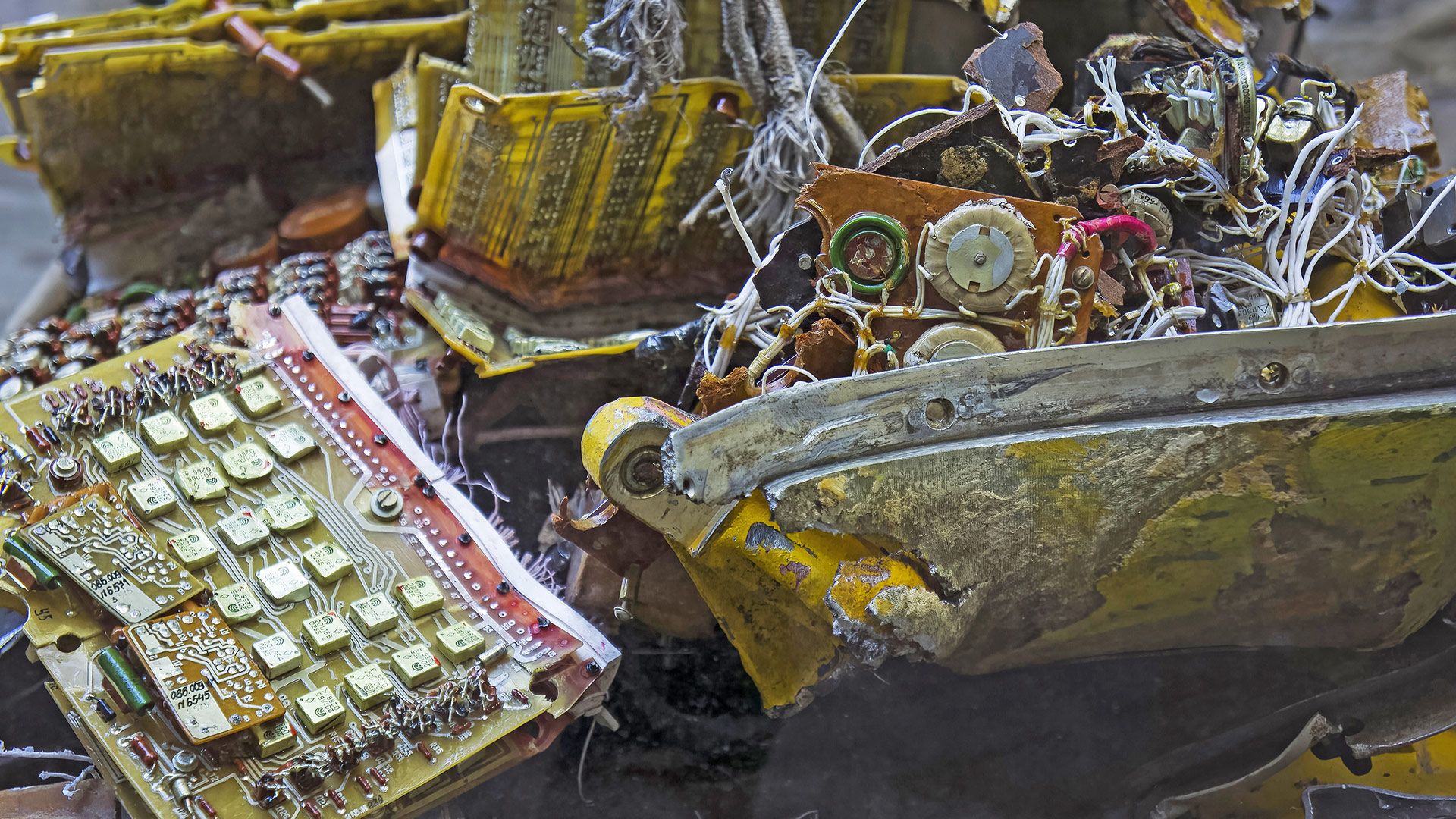
Electronics shown in destroyed missile wreckage

Five lawsuits were filed in Texas this week, putting some of the biggest names in PC tech under an uncomfortable spotlight. AMD, Intel, Texas Instruments, and a company owned by Berkshire Hathaway were accused of failing to do enough to prevent their technologies from falling into Russia’s sanctioned hands, according to Bloomberg. Some of the accusatory language was highly charged, criticizing the American tech titans for “willful ignorance” or even for being “merchants of death.”

The US, EU, UK, and G7 announced sanctions on Russia almost immediately after the invasion of Ukraine in February 2022. AMD and Intel ceased direct shipments to Russia within weeks to comply with the latest export controls. Sanctions were ramped up and tightened as the brutal war rumbled on. However, most people are aware that Russia is still getting advanced US tech to power its war machine. In fact, the five lawsuits highlight alleged examples of AMD and Intel components being found in drones and missiles in incidents spanning 2023 to 2025.

Willful ignorance or negligence?

These cases aren’t about Russian ingenuity or duplicity in getting their hands on sanctioned Western tech, though. Rather, they accuse the various companies of willful ignorance of their parts being resold via gray markets and other channels. The US tech components eventually end up in Russian military equipment, such as drones and missiles, in violation of US sanctions.

Another suit talked about the US tech companies’ “domestic corporate negligence” for failing to implement export control and diversion-prevention systems.

Five examples of US tech-reliant weapons killing “dozens of people” during the Russia-Ukraine war were provided in the court documents seen by Bloomberg. In one instance, AMD and Intel parts were found in Iran-made drones, alleges one of the lawsuits filed on behalf of dozens of Ukrainian citizens. Other examples of the ineffectiveness of sanctions as they stand indicate that Russian-made KH-101 cruise missiles and Iskander ballistic missiles contain sanctioned US tech.

Intel responds with a fresh statement

Bloomberg reports that it hasn’t received any new statements from AMD or TI regarding the Texas court filings. Previously, both firms have highlighted that their business dealings are fully compliant with all US sanctions.

Intel has supplied an updated statement to address the new accusations. Its statement reminded Bloomberg that Intel was very quick to suspend shipmentsof its components to Russia and Belarus at the outbreak of the war. It echoed previous statements from AMD and TI regarding compliance with all sanctions and regulations. However, it added, “We hold our suppliers, customers, and distributors accountable to these same standards,” in its new statement.
New app injects AMD's AI-driven FSR Redstone framegen into unsupported games — pre-alpha OptiScaler build demo shows nice improvements over legacy FSR frame gen

Димитър Панев AMD 14 December 2025
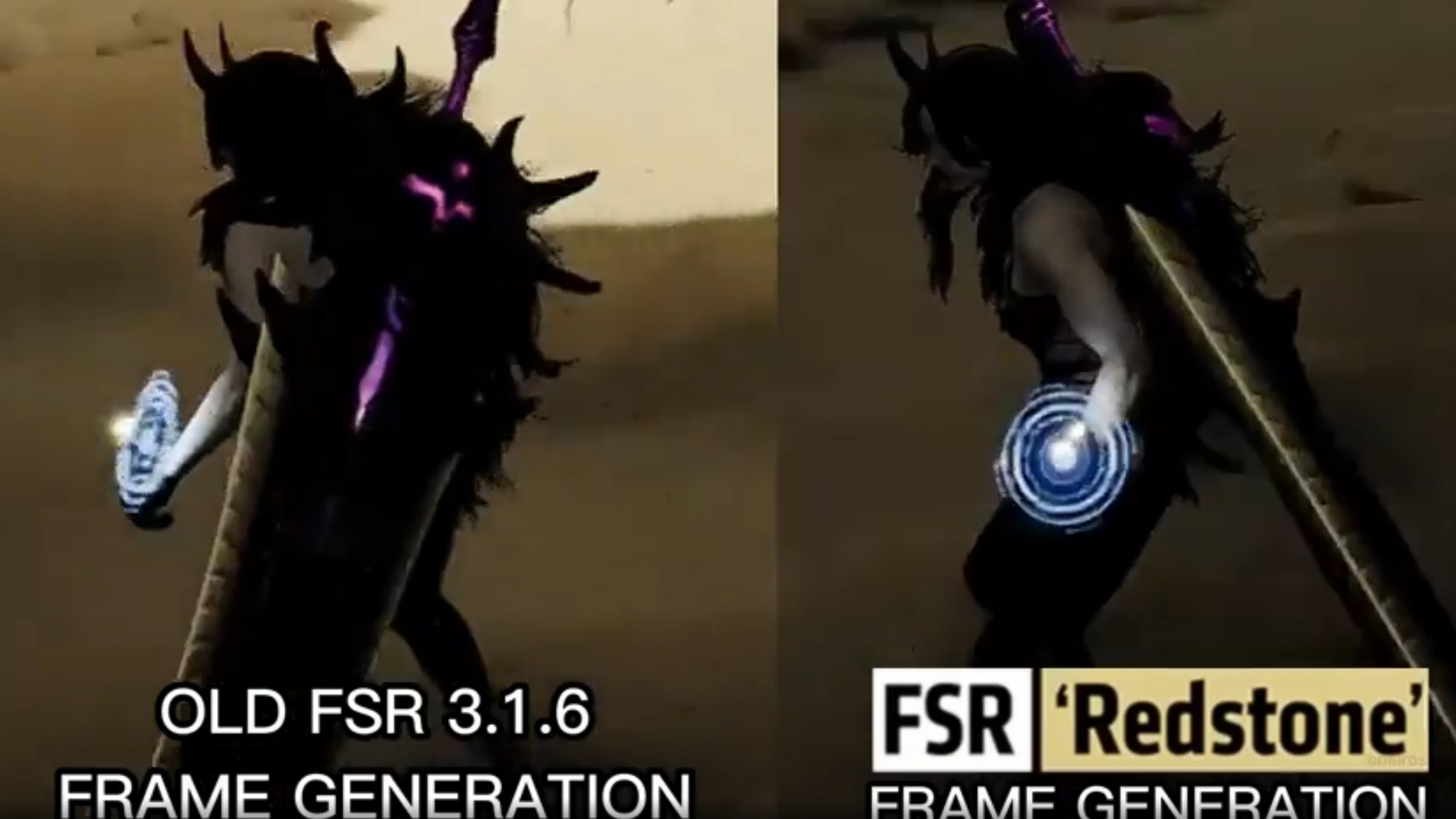
A side-by-side comparison of a game showing FSR Redstone vs an older version of AMD FSR

A Reddit user has demonstrated AMD’s new ML-powered FSR Redstone frame generation running in Monster Hunter Wilds. This game was never designed to support it; it used a community OptiScaler pre-alpha build to bypass official integration restrictions. The user, who shared their test on the r/radeonsubreddit, shows side-by-side footage of an older version of FSR Redstone versus the newer Redstone ML frame generation.

AMD began rolling out Redstone ML frame generation more broadly earlier this week with Adrenalin 25.12.1, positioning it as a more advanced replacement for FidelityFX Super Resolution 3. Officially, Redstone requires newer FSR integrations and is tied to recent Radeon hardware. AMD’s documentation notes that FSR 3.1.4 adds the required camera parameter support that developers must implement to enable ML frame generation.

In the clip shared on Reddit, the Redstone-enabled footage appears to show reduced ghosting and fewer reconstruction artifacts than older frame generation methods. This aligns with AMD’s stated goals for Redstone, which uses an ML-based model to predict intermediate frames from multiple inputs, such as motion vectors and depth, rather than relying on purely heuristic interpolation as in legacy FSR frame generation.

As for OptiScaler, which made the user’s footage possible, the tool works by intercepting a game’s frame generation calls and rerouting them to alternative backends, including newer FSR paths. In this case, a pre-alpha build distributed via the project’s Discord appears to be exposing Redstone ML frame generation even though Monster Hunter Wilds ships with an older FSR implementation.

This is unsupported third-party software, however, and it’s running outside AMD’s intended deployment path. OptiScaler’s own documentation warns against use in online or anti-cheat-protected games due to the risk of bans and unguaranteed stability. Hardware requirements also pose a major question mark; AMD has positioned Redstone ML frame generation around its newer Radeon lineup, and it is unclear how broadly compatible this forced approach is across GPUs.

AMD’s new Redstone ML frame generation can clearly deliver tangible image-quality improvements over the original FSR frame gen, even in games that predate it. Still, the company’s current rollout has left gaps that the community is trying to fill with third-party workarounds.

AMD clarifies its clarifications on controversial RDNA 1 and 2 driver note — company will continue game optimization support after all

Димитър Панев AMD 26 November 2025

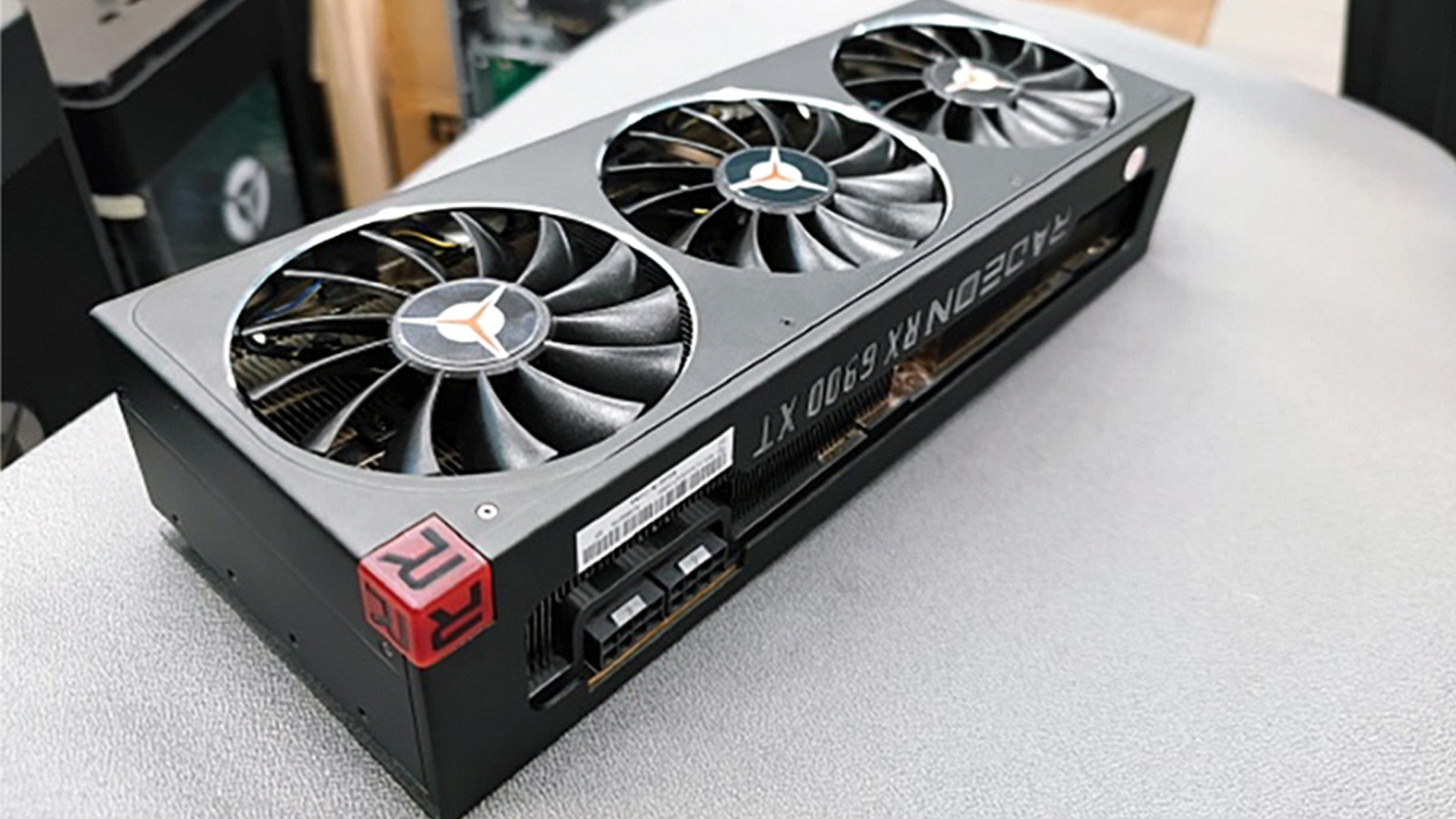
RX 6900 XT graphics card on a desk.

So it didn't actually stop USB-C power, and it didn't actually stop driver optimizations...

After a turbulent weekend of updates and clarifications, AMD has published an entire web page to assuage user backlash and reaffirm its commitment to continued support for its RDNA 1 and RDNA 2-based drives, following a spate of confusion surrounding its recent decision to put Radeon RX 5000 and 6000 series cards in "maintenance mode." This comes after AMD had to deny that the RX 7900 cards were losing USB-C power supply moving forward, even though the drive changelog said something quite different.

Just last week, AMD released a new driver update for its graphics cards, and it went anything but smoothly. First, the wrong drivers were uploaded, and even after that was corrected, several glaring errors in the release notes required clarification. AMD was forced to correct claims about its RX 7900 cards, but at the time clarified that, indeed, RX 5000 and 6000 graphics cards were entering "Maintenance Mode," despite some RX 6000 cards being only around four years old.

Now, though, AMD has either rolled back that decision or someone higher up the food chain has made a new call, as game optimizations are back on the menu for RDNA 1 and RDNA 2 GPUs.

"We’ve heard your feedback and want to clear up the confusion around the AMD Software: Adrenalin Edition 25.10.2 driver release," AMD said in a statement. It went on to confirm that there were separate drivers for RX 7000 and 9000, and RX 5000 and 6000 GPUs, but that there wouldn't be any major differences in the support for these GPUs.

"Your Radeon RX 5000 and RX 6000 series GPUs will continue to receive: Game support for new releases, Stability and game optimizations, and Security and bug fixes," AMD said.

Using the new split driver approach will reportedly make the job of AMD's driver team easier, whilst preventing anything designed for newer GPUs from breaking anything on the older ones.

"Our goal is simple: to give every Radeon gamer the best experience possible. By separating the code paths, our engineers can move faster with new features for RDNA 3 and RDNA 4, while keeping RDNA 1 and RDNA 2 stable and optimized for current and future games," AMD said.

"New features, bug fixes and game optimizations will continue to be delivered as required by market needs in the maintenance mode branch," an AMD spokesperson told Tom's Hardware last week.

This probably puts to bed any ideas of those older AMD cards getting the latest upscaling support, despite what modders have already proved is possible. AMD's early cards were notoriously and significantly behind the Nvidia curve when it came to upscaling and ray tracing support. With how much greater focus recent generations of AMD hardware and the latest games have placed on these technologies, perhaps it makes sense for AMD to keep its efforts for these new features focused on the future and recent past.

Either way, it's good to know that game optimizations will remain for those on older cards, even if they won't get quite the same shiny new features as the latest designs.


  • News
    • NVIDIA
    • AMD
    • Intel
  • PC Components
    • RAMs